
Spring Garden Insights 2026
By Brian Nixon, Horticultural Director
The long wait for spectacular spring flowers is nearly over, and we’re already looking forward to welcoming you back to The Gardens as the season unfolds. Soon, drifts of snowdrops, clusters of crocus, and endless acres of tulips and daffodils will begin illuminating the garden beds. Everywhere you look, whether from up above or down below, spring will be ready to welcome you with gorgeous blooms. It’s hard to believe it was only five months ago that the flower bulbs were planted, and before long, those same plantings will be turning heads with their unique sizes, shapes, and vibrant hues.
This mild weather has set the stage for an early spring, but let me tell you, nobody is complaining. The cold temperatures that we often receive in February usually do a pretty good job at slowing down the flower bulbs – not this year. An early spring isn’t unusual for us, although this year was like something we haven’t seen in some time. We did not receive any amounts of snow this winter, and frosty mornings were pretty much non-existent. Snow and cold temperatures can slow the spring display, while warmer temperatures can speed it up. In a controlled environment (like a greenhouse), these factors can all be manipulated, but not when you’re growing plant material outdoors. We are at the mercy of Mother Nature, and there’s not too much that we can do to counter that. In years past, we have found ourselves shovelling snow off flower beds in order to speed up the spring flowers, which is quite the opposite of this year.

With spring just ahead, our gardening staff are preparing for the busy weeks to come, when thousands of flower bulbs will need careful deadheading to keep the displays looking polished. Along with the endless spring flowers that need care, the weeds don’t stop growing. Multi-tasking is something we do so well, always looking at the bigger picture, not just the tasks at hand. This is why we are recognized for such a high level of attention to detail, and are continuously looking at ways to improve the work we do, but also what our guests experience while visiting.
Some of the highly manicured flower beds look so pretty when they receive a “light dusting” of flower blossoms from surrounding ornamental fruit trees. There is nothing prettier than seeing dark, nutrient-rich soil with delicate spring blossoms scattered throughout, almost like they were individually placed there. The flower blossoms on trees not only look pretty, but they also add nutrients back into the soil, proving why it’s so important to find the balance between visual appearance and what’s best for the overall health of the gardens. We know what that balance is, and we execute these measures every day.

One of the many characteristics I find quite unique about the spring season is the beautiful aromas that radiate throughout The Gardens. A few of my absolute favourites are: Sarcococca, Mock orange (Philadelphus), Wisteria, and Lilac (Syringa). Although these are only a few, you’ll have to come and see for yourself which are your favourite scented spring flowers. Scent is also one of the characteristics that attracts pollinators to a garden. The more beneficial attracting plants we can incorporate into our gardens, the more food for pollinators that are so important for our planet.


Many of our spring flowers start their journey overseas and in other parts of our country. Our flower bulbs are produced in Holland and Eastern Canada before making their way out west in October, at which point they are planted one by one in the soil. It’s an amazing journey the flowers take to finally land at The Butchart Gardens. The variety of bulbs continues to grow as new hybrid varieties are introduced to the market each year. We definitely have our favourites that we continue to grow, but we do bring in a small number of new varieties to trial that eventually get introduced into The Gardens (if they pass our quality assurance test). One of the interesting qualities of tulips is their 15 different divisions; these divisions are based on characteristics such as flower size, flower shape, and flowering time. There are so many beautiful tulips available for purchase, I encourage you to try new varieties of flower bulbs next time you visit your local garden center.


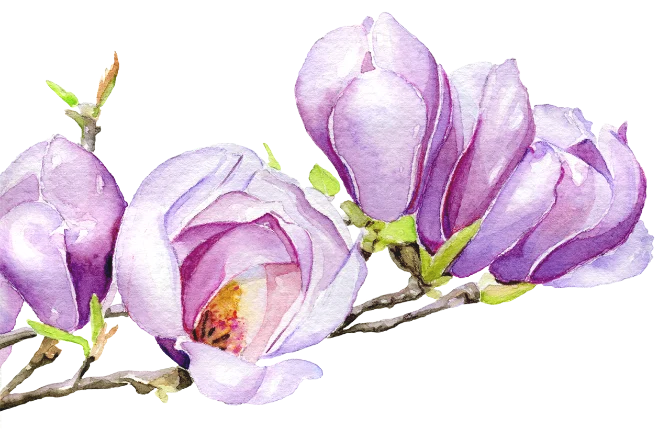
Spring isn’t just about the tulips and daffodils; the flowering trees are absolutely stunning and are an important feature in the landscape. From whites, hues of pink and shades of purple. What amazes me about the trees is the different sizes and shapes of the pedals. The saucer magnolia is magnificent with its large velvety petals that light up the sky. These trees can leave a thick, pretty layer of petals once they have fallen, while the pretty blossoms from the cherries, plums and crabapples are often blown away because of their cute, dainty blossoms. We have a vast collection of flowering trees throughout The Gardens, one that we continue to grow as we frequently add more trees.
Spring is a season I highly recommend you see! It’s truly amazing to surround yourself with hundreds of thousands of tulips, daffodils, and flowering trees. Because spring flowers are categorized as early, mid, and late, visiting anytime from March through mid-May would be an ideal time to see them. I suggest you set aside some time to plan a visit to The Butchart Gardens and surround yourself with beautiful plants and Mother Nature this spring!
We look forward to welcoming you!